This article has been updated with the recordings of the SMOs Revision and Compliance Program webinar that took place on May 5, 2026.
The accountancy profession operates in a fast-changing global environment—new auditing standards, expanded corporate reporting, evolving education pathways, and modern quality management frameworks.
To help our members stay ahead, IFAC has updated our Statements of Membership Obligations (SMOs) 1–7, effective April 1, 2026. The SMOs provide global benchmarks that support the adoption and implementation of international standards, as well as robust quality assurance and investigation and disciplinary systems.
Following the SMOs demonstrates that a professional accountancy organization is resilient, trusted, and forward-looking in the public interest. These latest revisions ensure the SMOs remain fit for purpose and aligned with ongoing developments across the profession’s global ecosystem.
The revisions follow a rigorous global due process, including an Exposure Draft and extensive public consultation in 2025.
What’s New in the SMOs?
The revisions are targeted updates, rather than fundamental changes, designed to keep pace with developments in international standards and professional practice.
- Strengthened quality management (SMO 1)
Aligns with the IAASB’s revised Quality Management Standards, ensuring firm-level quality assurance systems are robust and current. - Flexible education pathways (SMO 2)
Encourages more flexible pathways into the profession, while maintaining rigorous qualification standards.- These revisions connects closely to IFAC’s Opening Doors principles, which provides practical advice for implementing flexible and inclusive pathways into the profession.
- Integration of expanded corporate reporting standards (SMO 5 and 7)
Incorporates expanded public sector reporting standards issued by the International Public Sector Accounting Standards Board (IPSASB), alongside expanded corporate reporting standards issued by the International Sustainability Standards Board (ISSB). - Enhanced clarity and consistency
Support the continued modernization of IFAC’s Member Compliance Program, helping ensure consistent and transparent assessment of adoption and implementation across jurisdictions.
Supporting the Transition
To help members adjust to the revised SMOs:
- A summary table of changes and a frequently asked questions (FAQ) document are available to help organizations quickly understand the updates.
- IFAC continues to assess jurisdictional adoption of international standards through its Compliance Program, using a methodology that clearly distinguishes adoption from implementation.
- Learn more about IFAC’s adoption definitions
- The video below (in English, Arabic, French and Spanish) explains the revisions and answers some important questions from our members about their implications.
SMOs Revision and Compliance Program Update

SMOs Revision and Compliance Program Update - English

تحديث برنامج مراجعة الامتثال لمنظمات إدارة وسائل التواصل الاجتماعي - باللغة العربية

Mise à jour du programme de révision et de conformité des SMO - Français

Actualización del programa de revisión y cumplimiento de las SMO - Español
Why It Matters
Image
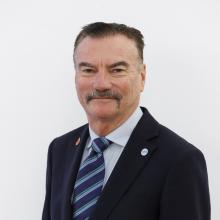
“These revisions help IFAC members continue to lead with integrity and excellence, ensuring their organizations remain resilient, innovative, and trusted worldwide. By following the SMOs, our members strengthen the adoption of international standards, reinforce quality and public interest systems, and demonstrate the collective strength of a truly global accountancy profession.” – Lee White, IFAC CEO
In a rapidly evolving professional landscape, these revisions help IFAC members remain resilient, innovative, and trusted worldwide. They provide guidance that reflects high-quality standards, emerging trends, and sustainable pathways for the next generation of accounting professionals.
Key Takeaways for IFAC Members
✅ The SMOs remain fit-for-purpose global benchmarks supporting high-quality professional practices.
✅ Targeted updates ensure SMOs remain relevant to the evolving profession.
✅ Quality assurance requirements updated to align with the IAASB’s quality management standards.
✅ Adopting the International Education Standards includes an analysis of flexible entry points and pathways to broaden access to professional accounting education programs.
✅ Expanded corporate reporting now includes both public sector (IPSASB SRS) and private sector (ISSB) standards for sustainability-related disclosures.
✅ Transition support—including FAQs and at the recorded May 2026 webinar—is available to assist implementation.