IAASB Quarterly Board Meeting - September 12-16, 2022
Sep 12 - 16, 2022
New York, USA
Государственный сектор - неотъемлемая часть любой экономики[1]. Государственные органы тратят большие суммы общественных денег на ряд услуг и на инфраструктуру для своих граждан. А во время кризисов, таких как глобальный финансовый кризис 2008 года, а, в последнее время, и глобальная пандемия COVID-19, правительства всё чаще используют меры налогово-бюджетной политики для поддержки государственных социальных систем, инфраструктуры и систем здравоохранения, а также оказывают прямую финансовую поддержку предприятиям и гражданам через такие меры, как поддержка доходов и пособия по безработице. Только государство во время этих кризисов может оказывать такую поддержку в требуемом масштабе.
В глобальном масштабе организации государственного сектора сталкиваются с множеством проблем, которые могут включать повышенный спрос на высококачественные услуги, устаревшую инфраструктуру, налоговую конкуренцию[2], низкую налоговую базу, потерю доверия[3] и влияние изменения демографии, вызывающие нехватку финансирования для схем пенсионного обеспечения и социальных выплат[4].
Поскольку правительства сталкиваются с конкурирующими приоритетами, им необходимо принимать важные решения, с целью принятия краткосрочных мер с учётом долгосрочной финансовой устойчивости и стабильности. Решения, принятые правительствами сегодня, повлияют на будущие поколения[5], они будут иметь значение для будущих политических и налоговых решений и решения по расходам. Базовый социальный договор между правительством и гражданами постоянно меняется, и поэтому существует повышенная потребность в прозрачности и подотчётности, чтобы помочь гражданам понять, как осуществляется управление государственными средствами[6] и расходы, как принимаются решения и почему, а также какие имеются доказательства и информация для поддержки таких решений.
Чтобы правительства и организации государственного сектора во всем мире принимали информированные решения в интересах людей, планеты и экономики, им необходимо сильное руководство и управление государственными финансами (УГФ). Бухгалтерская профессия - профессиональные бухгалтерские организации (ПБО) и отдельные профессионалы - должны играть важную роль в поддержке УГФ, отвечающего определённым целям, и эффективного государственного сектора. Работая вместе, государственный сектор и профессиональные бухгалтеры могут помочь обеспечить более устойчивое, инклюзивное и процветающее будущее.
Для эффективного и рационального управления государственными ресурсами правительствам необходимо сильное руководство и надёжная система УГФ, чтобы можно было отслеживать использование ресурсов и чтобы ресурсы распределялись надлежащим образом в соответствии с целями государственной политики. Правительства должны стремиться к достижению наилучших результатов, используя имеющиеся ресурсы, обеспечивая максимальную эффективность при оказании государственных услуг, сводя к минимуму потери из-за расточительства, мошенничества или коррупции. Правительства сталкиваются с многочисленными конкурирующими приоритетами и нуждаются в надёжной финансовой и нефинансовой информации для принятия обоснованных решений на основе данных по приоритетным областям расходов и инвестиций. Для повышения ответственности правительств за принятие решений требуется высокий уровень прозрачности.
1. В этом документе будет использоваться определение государственного сектора согласно IPSASB (Международного совета по стандартам бухгалтерского учёта в государственном секторе): «Субъекты государственного сектора включают национальные, региональные (например, штата, провинции, территории) и местные органы власти (например, городские, населённого пункта) и их составные подразделения (например, департаменты, агентства, советы и комиссии)». Оно не относится к государственным предприятиям (ГП) или аналогичным коммерческим организациям.
2. Имеются в виду страны, использующие льготные налоговые ставки в качестве конкурентного преимущества, как «приемлемую» налоговую конкуренцию, так и «вредную» налоговую конкуренцию.
3. Барометр доверия Эдельмана 2021 года: Правительство было самым авторитетным учреждением в мае 2020 года, затем потеряло лидерство через 6 месяцев и теперь пользуется меньшим доверием, чем бизнес и НПО.
5. ICAEW/PwC: (Справедливое распределение ресурсов между поколениями) «Сегодняшние задачи политики, стоящие перед поколениями, варьируются от занятости до социальных вопросов и здравоохранения, от образования и инфраструктуры до пенсий. Они охватывают как финансовые, так и нефинансовые обязательства, например, в форме «экологического долга», который мы оставляем будущим поколениям».
6. Пример подхода - Партнёрство «Открытое правительство» (OGP) продвигает и поддерживает важность прозрачности правительств для граждан, гарантируя, что организации гражданского общества или прямое участие граждан играют роль в формировании правительства и надзоре за ним.
9. Примеры включают «Целостный системный подход CIPFA», «Рамочная концепция УГФ PEFA» и «Восемь ключевых элементов успеха УГФ CAPA».
10. Фокус на государственные финансы: Вызовы для успешного проведения реформы УГФ.
11. Успешное внедрение этих стандартов - сложная, ресурсоёмкая задача с участием многих заинтересованных сторон, требующая опыта и соответствующей инфраструктуры. Чтобы поддержать передовой опыт в Африке, PAFA выпустила руководство по практическим подходам: Дорожная карта внедрения Международных стандартов учёта в государственном секторе (МСУГС) для Африки
12. Хотя глобальный переход к учёту по методу начисления имел положительную динамику, полный переход на МСУГС по-прежнему является долгосрочным мероприятием для многих правительств. Для них мы рекомендуем использовать Инструмент оценки вмешательства COVID-19 в качестве непосредственного способа оценки финансовых последствий текущих и планируемых политических инициатив. Этот инструмент можно использовать независимо от того, насколько страна продвинулась по пути к полному начислению.
13. Целевая группа B20 по добросовестности и соответствию, например, недавно признала это в своих рекомендациях 2020 г. для G20: «B20 также признает, что существует связь между государственными закупками, бухгалтерским учётом в государственном секторе и коррупцией, а также внедрением высококачественных стандартов учёта по методу начисления в государственном секторе снижает уровень коррупции. Таким образом, B20 также призывает членов G20 возглавить глобальное применение учёта по методу начисления в государственном секторе и, в частности, Международных стандартов учёта в государственном секторе».
15. МФБ/ACCA: Наличные – это по-прежнему король? Эксперты в предметной области, опрошенные для этого исследования, утверждали, что у правительств есть преимущества в последовательном применении метода начисления во всей системе УГФ. Они решительно поддержали этот подход к использованию в государственных органах для производства обширной и полезной для принятия решений информации.
16. Последствия коррупции значительны и широко распространены: от прямых затрат для отдельных лиц и общества до поощрения преступного поведения и подрыва доверия к учреждениям. Основанные на строгом этическом кодексе, профессиональные бухгалтеры по всему миру играют решающую роль в борьбе с коррупцией: «Борьба с коррупцией и отмыванием денег» | IFAC. См. Также серию IFAC / ICAEW: «Борьба с отмыванием денег: основы».
17. Международная организация высших органов аудита/финансового контроля (ИНТОСАИ) разработала полный набор профессиональных заявлений для ВОА/ВОФК, а также ряд руководств, инструментов и моделей, поддерживающих развитие ВОА.
18. В развитии институционального потенциала ВОА (и, как следствие, потенциала отдельных лиц) программа обмена между сотрудниками ВОА, а также между ВОА и аудиторскими фирмами из частного сектора, участвующими в аудите государственного сектора, может быть полезной в качестве средства развитие навыков сотрудников ВОА/ВОФК в отношении аудита финансовой отчётности по методу начисления и обеспечение обмена знаниями между различными аудиторами. В качестве альтернативы, передача всего или части аудитов государственного сектора аудиторским фирмам частного сектора может помочь привнести специальные навыки в аудит, если эти навыки отсутствуют в аудиторском органе государственного сектора. Это также может гарантировать, что органы аудита государственного сектора поддерживают свои методологии аудита в соответствии с передовой практикой в частном секторе.
В то время как основы и стандарты имеют решающее значение для укрепления УГФ, фундаментальное значение имеет наличие правильно подобранных людей, с подходящей подготовкой, необходимыми навыками и компетенциями в правительстве и организациях государственного сектора. Однако во многих юрисдикциях ощущается нехватка профессиональных бухгалтеров в государственном секторе. Руководители государственного сектора должны понимать и приветствовать важность навыков, этики и внимания общественности, которые может принести бухгалтерская профессия. Чтобы служить общественным интересам, существует невероятно важная потребность в совместной работе руководителей государственного сектора и бухгалтеров для поддержки профессионализма в государственном секторе. Вместе мы можем создать лучший мир с более сильной экономикой и более справедливым обществом.
19. Точка зрения МФБ: Принятие профессии, ориентированной на людей - разнообразие навыков внутри компаний, предприятий, государственного сектора и общественных организаций становится все более необходимым по мере развития требований общества и заинтересованных сторон.
20. Профессионализация предполагает увеличение числа и потенциала квалифицированных и компетентных специалистов с соответствующей подготовкой и признанной квалификацией, а также обеспечение строгих профессиональных и этических стандартов.
21. CIPFA: Компетентность необходима в таких областях, как контекст и потребности государственного сектора; технические навыки; ведущие и влияющие; и повышение общественной ценности
22. Комитет ИНТОСАИ по наращиванию потенциала (CBC) признает, что ВОА, работающие в сложных и сложных условиях, могут столкнуться с более серьёзными проблемами, чем другие ВОА, при использовании инструментов, моделей и поддержки, доступных в сообществе ИНТОСАИ, или внедрении существующих стандартов и руководств.
24. МФБ/AAT Иллюстративная система компетенций для техников-бухгалтеров - Наглядный пример Концепции - это ресурс для ПБО, рассматривающих присвоение статуса техника-бухгалтера в качестве дополнительного пути в бухгалтерской профессии.
25. Примеры подходов изложены в публикации CAPA «ПБО: Распространение деятельности на государственный сектор».
26. Таким комитетом является Комитет по государственной политике и управлению ICPAK. PAFA стремится помочь другим своим членам ПБО создать аналогичные комитеты.
Цели устойчивого развития (ЦУР) Организации Объединённых Наций в сочетании с национальными планами устойчивого развития обеспечивают контекст для государственной политики и решений о расходах, направленных на решение системных, взаимосвязанных проблем, таких как климат, неравенство, доступ к образованию и бедность. Но на сегодняшний день усилия по достижению ЦУР оказались недостаточными[27], и рост неравенства между странами и внутри стран остаётся огромной проблемой[28]. Правительства должны внести значительный вклад в достижение ЦУР не только в рамках своей политической и оперативной роли, но и посредством глобального сотрудничества, гарантирующего, что ни одна страна не останется позади, а также на национальном уровне с различными секторами и заинтересованными сторонами[29], включая партнёрства между государственным и частным сектором.
В будущем подотчётность и доверие в государственном секторе будут зависеть от эффективного управления и прозрачной финансовой и нефинансовой отчётности правительств и организаций государственного сектора. Повышение прозрачности отчётности государственного сектора будет поддерживать мандат, на который государственные должностные лица и учреждения полагаются при работе от имени заинтересованных сторон (то есть граждан), и подкрепляет информированные дискуссии о более долгосрочных налогах и расходах. Темпы и направленность представления нефинансовой информации будут определяться конкретными информационными требованиями со стороны определённых групп заинтересованных сторон. Сочетание безотлагательной потребности в действиях по предотвращению дальнейшего изменения климата, наряду с потребностью в более качественной информации для поддержки трудных решений, с которыми сталкивается большинство правительств после пандемии, может стать катализатором таких изменений в отчётности. Бухгалтерская профессия может сыграть решающую роль в реализации сильного управления и УГФ во всем мире, опираясь на навыки и этику профессиональных бухгалтеров, и мы можем эффективно двигаться к процветающему, инклюзивному и устойчивому будущему для всех.
31. МФБ: «От кризиса к восстановлению: Приоритеты государственного сектора для поддержки восстановления от COVID-19». Если взять в качестве примера здравоохранение, важно не только справиться с нынешней чрезвычайной ситуацией в области здравоохранения, но и устранить первопричины плохих результатов в отношении охраны здоровья, сосредоточив расходы на областях, которые позволят решить структурные проблемы. Например, подумайте об увеличении инвестиций в профилактическую помощь, чтобы в будущем снизить нагрузку на неотложную медицинскую помощь. В конечном счёте, это требует целостной стратегии, учитывающей другие связанные области, такие как социальная помощь, жилье и образование, все из которых влияют на результаты мероприятий по охране здоровья.
El sector público es una parte esencial de toda economía[1]. Los Gobiernos gastan grandes sumas de dinero público en una variedad de servicios e infraestructuras para sus ciudadanos. Y en momentos de crisis, como la crisis financiera mundial de 2008 y, más recientemente, la pandemia mundial de COVID-19, los Gobiernos recurren cada vez más a medidas de política fiscal para respaldar los sistemas sociales públicos de infraestructuras y de salud, y proporcionan asistencia económica directa a las empresas y a los ciudadanos a través de medidas como la ayuda compensatoria y el seguro de desempleo. Únicamente los Gobiernos pueden brindar este tipo de asistencia a gran escala durante estas crisis.
En todo el mundo, las entidades del sector público enfrentan muchos desafíos, como el aumento de la demanda de servicios de alta calidad, la obsolescencia de las infraestructuras, la competencia fiscal[2], la escasa base fiscal, la pérdida de confianza[3] y el impacto de los cambios demográficos que provocan déficits de financiación para los regímenes de pensiones y prestaciones sociales.[4]
Mientras los Gobiernos lidian con prioridades contrapuestas, deben tomar decisiones importantes con el objetivo de que las medidas a corto plazo se tomen con la debida atención a la sostenibilidad financiera y la resiliencia a largo plazo. Las decisiones que toman los Gobiernos hoy tendrán un impacto en las generaciones venideras[5] y repercutirán en las futuras decisiones políticas, fiscales y sobre gastos. El contrato social básico entre los Gobiernos y los ciudadanos cambia continuamente y, por lo tanto, hay una mayor necesidad de transparencia y rendición de cuentas para que los ciudadanos puedan entender la forma en que se gestionan y gastan los fondos públicos[6], la forma en que se toman las decisiones y el porqué, y las pruebas y la información que respaldan las decisiones.
Para garantizar que los Gobiernos y las entidades del sector público de todo el mundo tomen decisiones informadas para las personas, el planeta y la economía, necesitan una gobernanza y una gestión de las finanzas públicas (PFM) sólidas. La profesión contable, las organizaciones de profesionales de la contabilidad (PAO) y las personas tienen un importante papel que desempeñar en respaldo a una PFM adecuada y un sector público eficaz. Al trabajar juntos, el sector público y la profesión contable pueden ayudar a conseguir un futuro más sostenible, inclusivo y próspero.
Para gestionar los recursos públicos de manera eficaz y eficiente, los Gobiernos necesitan una gobernanza y un sistema de PFM sólidos, que permitan el seguimiento del uso de los recursos y la asignación adecuada de estos en función de los objetivos de las políticas públicas. Los Gobiernos deben esforzarse por conseguir los mejores resultados con los recursos que tienen, maximizando la eficiencia en la prestación de servicios públicos mientras minimizan las pérdidas por despilfarro, fraude o corrupción. Los Gobiernos enfrentan numerosas prioridades contrapuestas y necesitan información financiera y no financiera confiable para tomar decisiones informadas y basadas en datos sobre las áreas prioritarias de gasto e inversión. Para mejorar la rendición de cuentas de los Gobiernos en la toma de decisiones se requieren altos niveles de transparencia.
1. En este documento se utiliza la definición de sector público del Consejo de Normas Internacionales de Contabilidad del Sector Público (IPSASB): Las entidades del sector público incluyen Gobiernos nacionales, regionales (por ejemplo, estatales, provinciales o territoriales) y locales (por ejemplo, de ciudad o de pueblo) y las entidades que los componen (por ejemplo, departamentos, agencias, consejos y comisiones). Esta definición no hace referencia a las empresas estatales (SoE) ni a entidades comerciales similares.
2. En referencia a los países que utilizan tasas impositivas preferenciales como ventaja competitiva, tanto la competencia fiscal "aceptable" como la "perjudicial"
3. Edelman Trust Barometer 2021: El Gobierno era la institución que más confianza generaba en mayo de 2020, luego perdió su liderazgo 6 meses después y ahora es menos confiable que las empresas y las ONG.
4. The Role of the Global Accountancy Profession in Addressing 21st Century Public Sector Challenges (El papel de la profesión contable mundial para abordar los desafíos del sector público del siglo XXI)
5. Instituto de Contadores Colegiados en Inglaterra y Gales (ICAEW)/PwC: Intergenerational fairness (Equidad intergeneracional) "El desafío actual de la política intergeneracional abarca desde el empleo hasta los asuntos sociales y la atención médica, y desde la educación y las infraestructuras hasta las pensiones. Abarca tanto los pasivos financieros como los no financieros, por ejemplo, en forma de ‘deuda medioambiental’ que dejamos para las próximas generaciones".
6. Un ejemplo de enfoque: la Open Government Partnership (OGP) promueve y apoya la importancia de la transparencia gubernamental para los ciudadanos, asegurándose de que las organizaciones de la sociedad civil o la participación directa de los ciudadanos tengan un papel en la formación y la supervisión de los Gobiernos.
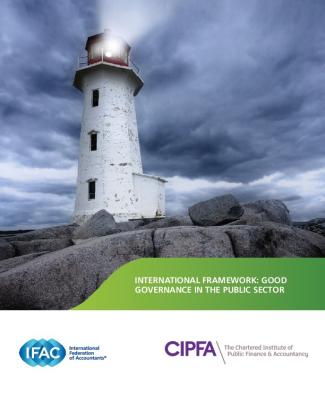
7. International Framework: Good Governance in the Public Sector (Marco internacional: buena gobernanza en el sector público) de la Federación Internacional de Contadores (IFAC) y el Instituto Colegiado Finanzas Públicas y Contabilidad (CIPFA)
8. Gasto Público y Responsabilidad Financiera (PEFA): 2020 Global Report on Public Financial Management (Informe mundial 2020 sobre la gestión de las finanzas públicas)
10. Public Finance Focus: Challenges to successful PFM reform (Desafíos para el éxito de la reforma de la PFM)
11. La aplicación exitosa de estas normas es una tarea compleja, que requiere muchos recursos y en la que intervienen múltiples partes interesadas, por lo que requiere especialización y una infraestructura adecuada. Para respaldar las mejores prácticas en África, la Federación Panafricana de Contadores (PAFA) ha publicado guías sobre enfoques prácticos: International Public Sector Accounting Standards (IPSAS) Implementation Road Map for Africa (Normas Contables Internacionales del Sector Público [IPSAS] Implementación de un mapa de ruta para África)
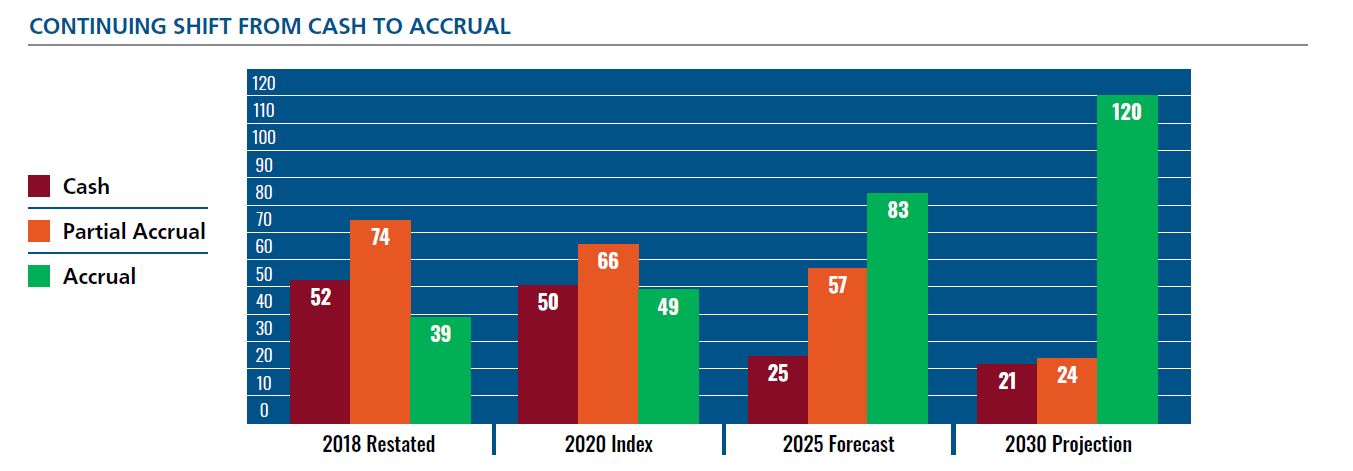
12. Aunque la transición mundial a la contabilidad de acumulación ha recibido un impulso positivo, la plena aplicación de las IPSAS sigue siendo una tarea a largo plazo para muchos Gobiernos. Para estos, alentamos el uso de la herramienta de evaluación de la intervención COVID-19 como una forma inmediata de evaluar los impactos financieros de las iniciativas políticas actuales y previstas. Esta herramienta puede utilizarse independientemente del lugar en el que se encuentre una jurisdicción en el camino a la base contable de acumulación total.
13. El grupo de trabajo de Integridad y Cumplimiento del B20, por ejemplo, reconoció esto recientemente en sus recomendaciones de 2020 para el G20: El B20 también reconoce que existe un vínculo entre la contratación pública, la contabilidad del sector público y la corrupción, y que la implementación de normas de contabilidad de acumulación de alta calidad en el sector público lleva a una menor incidencia de la corrupción. Por lo tanto, el B20 hace un llamamiento adicional a los miembros del G20 para que lideren la implementación a nivel mundial de la contabilidad de acumulación en el sector público y, en particular, las Normas Contables Internacionales del Sector Público.
15. IFAC/ACCA: Is Cash Still King? (¿El dinero en efectivo sigue siendo el rey?) Los expertos en el tema entrevistados para esta investigación sostienen que la aplicación sistemática de una base contable de acumulación (o devengo) en todo el sistema de PFM representa ventajas para los Gobiernos. Apoyan firmemente este enfoque por producir información valiosa y útil para la toma de decisiones de los Gobiernos.
16. Las consecuencias de la corrupción son importantes y generalizadas, desde los costes directos para las personas y la sociedad, hasta el fomento de comportamientos delictivos y el debilitamiento de la confianza en las instituciones. Basados en un sólido código ético, los profesionales de la contabilidad de todo el mundo desempeñan un papel fundamental en la lucha contra la corrupción: Fighting Corruption and Money Laundering (Lucha contra la corrupción y el blanqueo de dinero) | IFAC. Consulte también la serie Anti-Money Laundering: The Basics (Lucha contra el blanqueo de dinero: Conceptos básicos) de la IFAC y el ICAEW.
17. La Organización Internacional de Entidades Fiscalizadoras Superiores (INTOSAI) ha desarrollado un amplio conjunto de declaraciones profesionales para las EFS junto con una serie de directrices, herramientas y modelos que apoyan el desarrollo de las EFS.
18. En el desarrollo de la capacidad institucional de las EFS (y, como resultado, de la capacidad de las personas), un programa de intercambio de personal entre las EFS, así como entre las EFS y las firmas de auditoría del sector privado que participan en auditorías del sector público, puede ser útil como medio para acrecentar las competencias del personal de las EFS con respecto a la auditoría de estados financieros basados en la acumulación, y para ofrecer un intercambio de conocimientos entre los diferentes auditores. Por otra parte, la subcontratación de firmas de auditoría del sector privado para la realización de la totalidad o parte de las auditorías del sector público puede contribuir a aportar conocimientos especializados a las auditorías cuando estos conocimientos no están presentes en el organismo auditor del sector público. También puede garantizar que los organismos auditores del sector público mantengan sus metodologías de auditoría en línea con las mejores prácticas del sector privado.
Aunque los marcos y las normas son fundamentales para reforzar la PFM, es imprescindible contar con las personas adecuadas, con la formación correcta y las aptitudes y competencias pertinentes en todos los Gobiernos y las entidades del sector público. Sin embargo, en muchas jurisdicciones hay escasez de profesionales de la contabilidad en el sector público. Los líderes del sector público deben comprender y aceptar la importancia de las competencias, la ética y el enfoque en el interés público que puede aportar la profesión contable. Para servir al interés público, existe una necesidad increíblemente importante de que los líderes del sector público y los profesionales de la contabilidad trabajen juntos en el apoyo del profesionalismo en este sector. Juntos podemos crear un mundo mejor, con economías más fuertes y sociedades más justas.
19. IFAC Point of View: Embracing a People-Centered Profession (Punto de vista de la IFAC: Adoptar una profesión orientada a las personas): La diversidad de competencias en las firmas, las empresas, el sector público y las PAO es cada vez más necesaria a medida que evolucionan las demandas de la sociedad y de las partes interesadas.
20. La profesionalización implica aumentar la cantidad y la capacidad de los profesionales cualificados y competentes, con una formación adecuada y cualificaciones reconocidas, y garantizar sólidos estándares profesionales y éticos.
21. CIPFA: Se necesitan competencias en áreas como el contexto y las necesidades del sector público; las habilidades técnicas; el liderazgo y la influencia; y el aumento del valor público
22. El Comité de Creación de Capacidades (CBC) de la INTOSAI reconoce que las EFS que operan en contextos complejos y difíciles pueden afrontar mayores desafíos que otras EFS para aprovechar las herramientas, los modelos y el respaldo disponibles en la comunidad de la INTOSAI o para aplicar las normas y guías existentes.
23. IFAC: Counting on Each Other, Establishing & Maintaining Effective PAO Partnerships (Contar con los demás, establecer y mantener asociaciones efectivas entre las PAO)
24. An Illustrative Competency Framework for Accounting Technicians (Un marco de competencias ilustrativo para los técnicos de contabilidad). El ejemplo ilustrativo del marco es un recurso para las PAO que crean una designación de técnico de contabilidad como una vía de acceso adicional a la profesión contable.
25. En la publicación de la CAPA se exponen ejemplos de enfoques, PAOs: Extending Activities into the Public Sector (PAO: Ampliar las actividades hacia el sector público)
26. El Comité de Políticas Públicas y Gobernanza del Instituto de Contadores Públicos Certificados de Kenia (ICPAK) es ese tipo de comités. La PAFA pretende ayudar a los demás miembros de la PAO a crear comités similares.
Los Objetivos de Desarrollo Sostenible (ODS) de las Naciones Unidas, junto con los planes nacionales de desarrollo sostenible, proporcionan un contexto a las políticas gubernamentales y las decisiones sobre gastos para abordar cuestiones sistémicas e interconectadas, como el clima, la desigualdad, el acceso a la educación y la pobreza. Sin embargo, hasta la fecha, los esfuerzos para cumplir los ODS se han quedado cortos[27] y el aumento de la desigualdad entre los países y dentro de estos sigue siendo un gran desafío[28]. Los Gobiernos pueden contribuir de forma significativa al cumplimiento de los ODS, no solo en sus funciones políticas y operativas, sino a través de la colaboración a nivel mundial para garantizar que ningún país se quede atrás, y a nivel nacional con diferentes sectores y partes interesadas[29], incluidas las asociaciones entre el sector público y el privado.
En el futuro, la rendición de cuentas y la confianza del sector público dependerán de una gobernanza sólida y de la transparencia de los informes financieros y no financieros de los Gobiernos y las entidades del sector público. Mejorar la transparencia en los informes del sector público sustentará el mandato en el que se basan los funcionarios públicos y las instituciones para actuar en nombre de las partes interesadas (es decir, los ciudadanos), y sustentará un debate informado sobre los impuestos y el gasto a largo plazo. El ritmo y el enfoque de la presentación de información no financiera dependerán de las demandas específicas de información por parte de determinados grupos de partes interesadas. La combinación de una necesidad urgente de acción para evitar un mayor cambio climático, junto con la necesidad de una mejor información para apoyar las difíciles decisiones que la mayoría de los Gobiernos enfrentan después de la pandemia, pueden ser el catalizador de tales cambios en la presentación de informes. La profesión contable puede desempeñar un papel fundamental en la aplicación de una gobernanza y una PFM sólidas a nivel mundial. Si aprovechamos las competencias y la ética de los profesionales de la contabilidad, podemos transitar eficazmente hacia un futuro próspero, inclusivo y sostenible para todos.
27. Sustainable Development Goals Report (Informe sobre los Objetivos de Desarrollo Sostenible) de la Organización de las Naciones Unidas (ONU)
28. ‘Inequality virus’ threatens ‘catastrophe for all’ unless crisis can be overcome together (El 'virus de la desigualdad' amenaza con una 'catástrofe para todos' a menos que superemos la crisis juntos)
31. IFAC: From Crisis to Recovery: Public Sector Priorities to Support COVID-19 Recovery (De la crisis a la recuperación: Prioridades del sector público para respaldar la recuperación de la COVID-19). Si tomamos el ejemplo de la atención médica, es importante no limitarse a tratar la emergencia sanitaria actual, sino también tratar las causas subyacentes de los resultados sanitarios deficientes, orientando el gasto hacia las áreas que abordarán desafíos estructurales. Por ejemplo, considerar la posibilidad de aumentar la inversión en la atención preventiva para reducir las futuras presiones sobre la atención médica de urgencia. En última instancia, esto requiere una estrategia holística que tenga en cuenta otros aspectos relacionados, como la atención social, la vivienda y la educación, que repercuten en los resultados de la atención médica.
33. En los últimos años, el sector privado ha reconocido cada vez más la urgente necesidad de mejorar la información sobre la sostenibilidad y otros aspectos no financieros, y la Fundación IFRS y otras entidades están tomando medidas para mejorar la información corporativa.




(a) The objective of this project is to develop conforming amendments to the Code so that the Code is aligned and interoperable with IAASB’s ISQM 1 and ISQM 2.
(b) The project is focused on relevant provisions of the Code that refer to ISQM 1 or ISQM 2, or terms and concepts used or defined in those two quality
management standards.