Image
In October, at IFAC Connect MENA in Riyadh, leaders from across the Middle East and North Africa came together with a shared question: how can professional accountancy organizations in the region collaborate more effectively to respond to accelerating regulatory change, growing public interest expectations, and rising demands on the profession?
Just months later, that question is already being answered.
In December 2025, representatives from professional accountancy organizations (PAOs) across the Gulf Cooperation Council (GCC) States met in Kuwait to capitalize on the momentum from Riyadh and to formally endorse a structured, regionally led cooperation framework. The outcome was strong buy-in to establish a regional resources hub for the profession, supported by a jointly approved GCC Joint Work Plan for 2026 and a commitment to sustained collaboration between PAOs beginning next year.
This marks a significant step forward for the accountancy profession in the region, one rooted in regional leadership, practical cooperation, and a shared vision for long-term capacity building.
Laying the groundwork at IFAC Connect MENA
The foundations for this progress were laid in Riyadh, where IFAC Connect MENA created an opportunity to convene PAOs, regulators, standard setters, and development partners in the same room. For many participants, it was the first time regional challenges and opportunities were discussed collectively rather than bilaterally or in isolation.
A key moment was the launch of IFAC’s MENA Insights Report, which highlighted both progress and gaps across the region. While many jurisdictions have made significant strides in adopting international standards, the report underscored common challenges, including uneven access to technical resources, duplication of effort across jurisdictions, and limited mechanisms for peer-to-peer knowledge sharing.
These insights closely aligned with IFAC’s Member Value Proposition and Strategic Plan, which prioritize strengthening member capacity, enabling collaboration, and supporting professional accountancy organizations in delivering value to their members and the public interest. The discussions in Riyadh reinforced a shared understanding that, although global standards provide a strong foundation, regional solutions are essential to support effective implementation and professional development in ways that reflect local regulatory and market realities.
Within this context, the idea of a regional resources hub gained traction, not as a centralized institution, but as a coordinated, region-driven platform to connect expertise, share knowledge, and strengthen the collective voice of the profession in the MENA region.
From concept to commitment in Kuwait
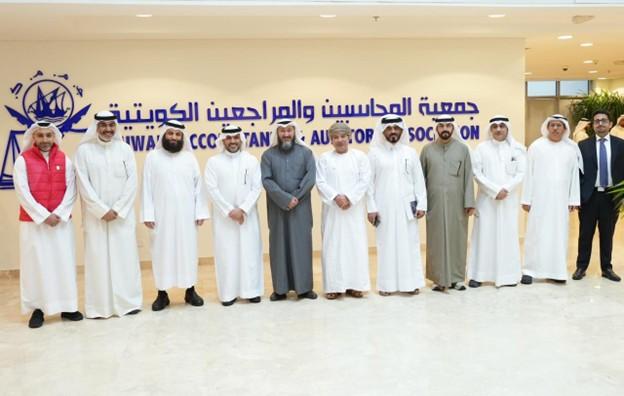
Building on the discussions in Riyadh, the First GCC Consultative Forum of Professional Bodies and Associations was convened in Kuwait on 11 December 2025. Senior leaders from professional accountancy organizations across all GCC States participated, representing Kuwait, Saudi Arabia, Oman, Bahrain, the United Arab Emirates, and Qatar.
Image
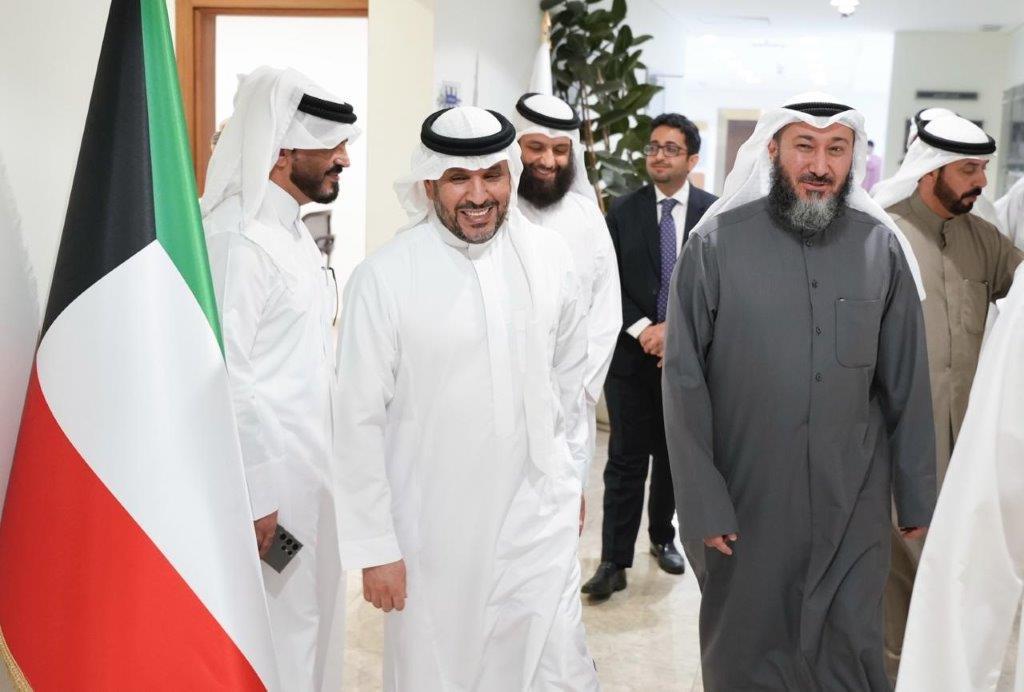
The meeting served two key purposes. First, it reaffirmed the shared commitment to closer regional cooperation. Second, it translated that commitment into a concrete and time-bound work plan that reflects the priorities identified through IFAC Connect MENA and ongoing regional dialogue.
|
GCC Joint Workplan 2026 at a Glance Approved at the First GCC Consultative Forum in December 2025, the GCC Joint Work Plan for 2026 provides a structured framework for regional cooperation among professional accountancy organizations. Key initiatives include quarterly virtual coordination meetings, monthly “Gulf Knowledge Hour” knowledge-sharing sessions, and a unified annual “Gulf Professional Day” held across all GCC States. The plan also includes the development of a GCC Professional Practices Guide, exchange of speakers and experts, and annual sharing of professional statistics and indicators. Implementation will begin in early 2026, with leadership rotating annually among participating bodies to ensure shared ownership and sustainability. |
Participants unanimously approved the GCC Joint Work Plan for 2026, a practical and scalable framework designed to move collaboration from dialogue to delivery. Rather than launching overly ambitious structures, the plan focuses on achievable initiatives that build trust, demonstrate value, and create a foundation for deeper cooperation over time.
An implementation timeline was agreed on, with early actions beginning in the first quarter of 2026 and milestones extending through the year. Governance arrangements were also established to ensure accountability and continuity. The Kuwaiti Association of Accountants and Auditors was nominated to coordinate implementation of the 2026 plan, with leadership of the Consultative Forum rotating annually among participating bodies thereafter.
Regional leadership at the core
A defining feature of this initiative is that it is regionally led and owned. While IFAC played a critical convening and facilitation role by bringing stakeholders together in Riyadh, providing data and insights through the MENA Insights Report, and supporting early dialogue, the momentum is being driven by the region itself.
In particular, the CEO of the Saudi Organization for Chartered and Professional Accountants (SOCPA), Dr. Ahmad Almeghames, has been instrumental in moving the initiative forward.
“As professional bodies, we face many common challenges across the Gulf,” said Dr. Almeghames. “By working together in a structured and practical way, we can share expertise, strengthen our institutions, and better serve our members and the public interest. This collaboration reflects our shared commitment to the future of the profession in the region.”
This leadership has been matched by strong engagement from peer organizations across the region. Together, they have demonstrated a shared understanding that many of the profession’s most pressing challenges, including sustainability reporting, audit quality, talent development, and regulatory coordination, are better addressed collectively.
Why a renewed focus on collaboration matters
The establishment of a regional resources hub and consultative framework comes at a critical time. The accountancy profession in the region is operating in an environment of rapid economic diversification, increasing regulatory complexity, and heightened public interest expectations.
By creating structured mechanisms for cooperation, MENA professional bodies are positioning themselves to deliver greater value to their members. Over time, the initiative is expected to reduce duplication of effort across jurisdictions, accelerate knowledge transfer and professional learning, strengthen alignment with international standards while respecting national contexts, and amplify the regional voice in global professional and regulatory discussions.
Perhaps most importantly, it signals a shift toward proactive, forward-looking collaboration, where professional bodies are not only responding to change, but shaping it together.
Looking ahead
With formal endorsement secured and implementation set to begin in early 2026, the focus now turns to execution. The success of the initiative will be measured not only by meetings held or documents produced, but by the tangible value it creates for professional bodies, practitioners, and the public they serve.
For IFAC, developments in the MENA region reflect the intent of its Strategic Plan in action, supporting strong, sustainable professional accountancy organizations through collaboration, insight, and shared solutions. What began as a conversation at IFAC Connect MENA has evolved into a concrete, region-driven initiative that offers a promising model for cooperation elsewhere.
As the regional resources hub takes shape in the year ahead, the MENA accountancy profession is demonstrating that meaningful collaboration is not only possible, but already underway.

